
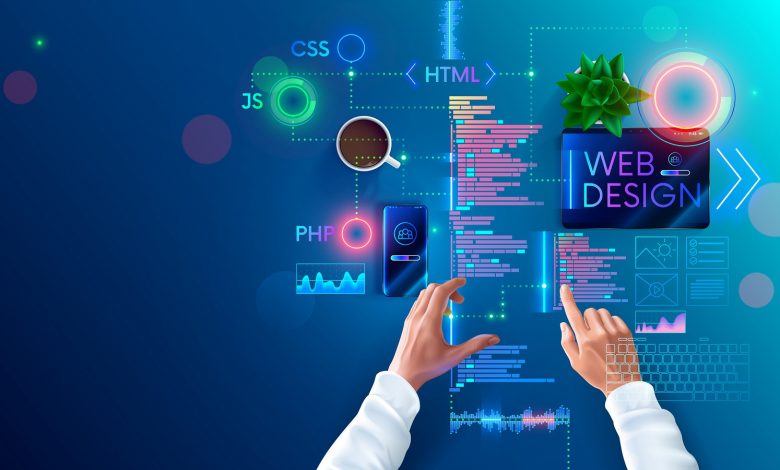
Web development: from idea to experience
From a need to a usable product
A website starts with a purpose. Someone needs to find information, compare a product, book a service or contact a business. Development connects that need with a usable interface and the logic behind it. The work involves more than writing instructions: it requires understanding people, organising information and choosing an implementation that the owner can maintain.
Structure comes first
HTML gives the page its structure. Meaningful headings, navigation, sections and form labels help visitors understand what they are looking at. Semantic elements also give browsers, search tools and assistive technologies a clearer description of the document. A readable structure is useful even before colours or animation are added. It makes the next stages of the work easier to review.
Visual design and interaction
CSS controls layout, spacing, typography and presentation across screen sizes. JavaScript introduces interactions such as opening a menu, filtering a project list or validating a form. These layers should reinforce the same purpose. A button needs a clear label, a visible focus state and an understandable result. Motion can add character, but essential content should remain available when effects are disabled.
The interface and the server
Front-end development deals with what the visitor sees and uses. Back-end development handles tasks such as validating requests, storing records or communicating with another service. These responsibilities need a clear boundary. A browser can help a user correct a field, but a server must validate incoming information independently. A static page should never claim that a message has been delivered when it has only prepared a draft.
Performance is part of the experience
Large pictures, unnecessary scripts and repeated requests can slow a page down. Choose an appropriate image size, reserve its dimensions and load nonessential media when needed. Measure performance on the deployed website rather than inferring it from a clean design. The device, connection, cache and hosting configuration all affect the result. Improvements should be guided by measurements and the tasks visitors actually perform.
Discovery and accessibility
Clear page titles, useful descriptions and meaningful links help people find and navigate the site. Search visibility also depends on crawlable structure and the public hosting environment. Accessibility belongs in the same process: labels, keyboard operation, readable contrast and a logical heading order improve the experience for a wider audience. These details are easier to maintain when they are considered from the beginning.
Keeping the work maintainable
A project continues after its first release. Content changes, integrations evolve and visitors encounter cases that were not obvious during development. Consistent components, descriptive names and a straightforward editing process help the owner keep the website useful. Documentation should explain the important decisions and the practical steps for updating the site without turning every content change into a development project.
A balance of craft and purpose
I aim to bring visual clarity, technical behaviour and the user journey into the same conversation. Each project is an opportunity to understand a new problem and improve the way it is presented. A successful website does not need to be complicated. It needs to make the right actions understandable and give its owner a practical foundation for the next stage.

Leave a comment